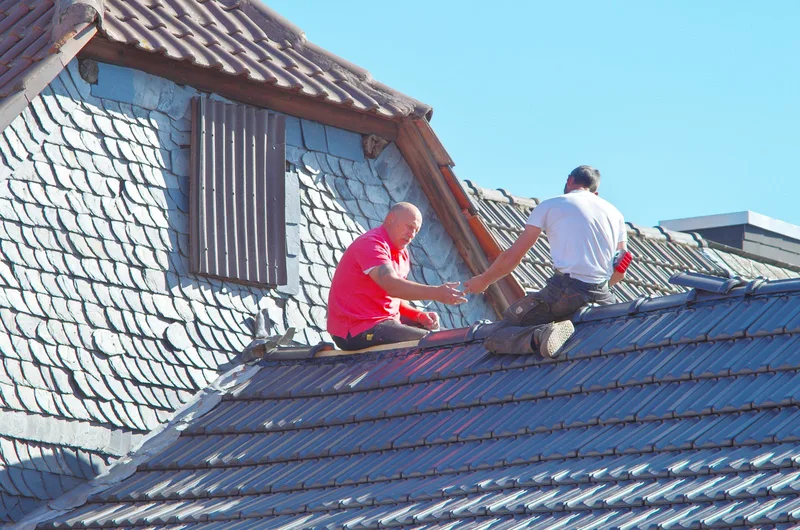
A roof rarely fails all at once in Fredericton. It gives you a run of small warnings first: a stain after spring melt, a shingle in the yard after a windstorm, a second leak on the opposite slope a year after the first repair. The hard part is not noticing those warnings. It is knowing when they add up to replacement, and when one more repair is still the sensible call.
A simple test: repair, restore, or replace
Start with how widespread the trouble is. A single failed flashing, one damaged valley, or a few panels lifted by wind is a repair job, and a good professional will say so plainly. An aging metal roof whose panels and decking are still sound but whose finish is tired may be a candidate for restoration instead. Replacement enters the picture when problems spread across slopes, when decking feels soft underfoot, when leaks move from one area to another, or when the roof is simply past the age where patching buys real time.
Add up the recent repair bills before you decide. One repair every few years is normal maintenance. Repairs every season, each chasing a new spot, usually mean the system underneath has reached the end of its working life. At that point, money spent on patches is money that could have gone toward a roof built for Fredericton winters, with ventilation and flashing fixed at the same time.
Roof age bands in Fredericton housing
Fredericton homes tend to fall into age bands, and each band fails a little differently. Heritage homes in Downtown Fredericton, Marysville, and Devon often carry layers of old roofing that hide decking, framing, and ventilation problems, and their steep pitches and tall chimneys make flashing details critical. Postwar bungalows in Nashwaaksis may still sit on original framing with ventilation added piecemeal over decades. Homes built from the 1970s through the 1990s in Forest Hill and Southwood Park are often on a first or second shingle roof that is now reaching its limit, while newer builds in Uptown Fredericton sometimes show builder-grade shingles aging early under heavy snow and freeze-thaw cycles.
Tear-off or overlay: the honest trade-off
Overlaying a new roof over old shingles costs less and finishes faster, and in some cases it is a legitimate option. But it also hides whatever is wrong underneath, adds weight to the structure, and can complicate ventilation and flashing at eaves and walls. A full tear-off costs more upfront and takes longer, yet it reveals the decking, lets damaged boards be replaced, and gives the new system a clean, flat base. For older homes, layered roofs, or any roof with soft spots, tear-off is usually the honest recommendation, and any professional who suggests overlay should explain exactly what will stay hidden and why that is acceptable on your roof.
Disposal, neighbours, and timeline
Replacement is also a logistics project, and the details are worth asking about. Old roofing has to go somewhere, so ask where the bin will sit, how the driveway and lawns will be protected, and how the crew handles daily cleanup. A magnet sweep for nails at the end of the job is not a nice extra; it is how tires and bare feet stay safe. On timing, expect an inspection and written quote first, then a materials ordering window, then several days to about two weeks of on-site work for most homes, with weather days as a normal part of the schedule rather than a surprise.
What a written scope should spell out
Before you sign anything, read the scope the way you would read a contract, because that is what it is. It should name how many layers come off, how decking repairs are priced if hidden damage appears, what underlayment and ice protection go where, which panel profile, gauge, and coating you are getting, how flashing, ventilation changes, and snow guards are handled, how disposal and cleanup work, and what the warranty covers and for how long. A scope that spells those items out lets you compare professionals fairly, while a one-line price forces you to guess what each bidder actually included. And remember that the exact pricing depends on the full scope of work, so a detailed quote is worth more than the lowest headline figure.
- Metal roof installation for a complete new system, planned from the assessment up
- Standing seam metal roofing with concealed fasteners and raised seams
- Metal roof repair when the damage is local, not widespread
- Snow guard installation planned during replacement, not bolted on later
- Downtown Fredericton and Forest Hill homeowners, request a local inspection
Questions, answered
Usually, yes. A single leak often traces to one flashing, valley, or penetration, and a repair is the right call. Replacement makes sense when an inspection finds wider wear, soft decking, or leaks appearing in several areas.
Sometimes, depending on the condition of the old roof, the structure, and New Brunswick Building Code requirements. A local professional should inspect the roof first and explain the trade-offs, since overlay keeps any hidden decking problems in place.
Late spring through fall is usually easiest to schedule, but metal roofing can often be installed in colder months too. The practical point is booking early, since good crews fill up, and letting weather planning sit inside your written quote.